
Understanding Flow Meters and Their Limitations
Basic Operation of Flow Meters
Challenges in Low Flow Measurement
Types of Flow Meters Suitable for Low Flow
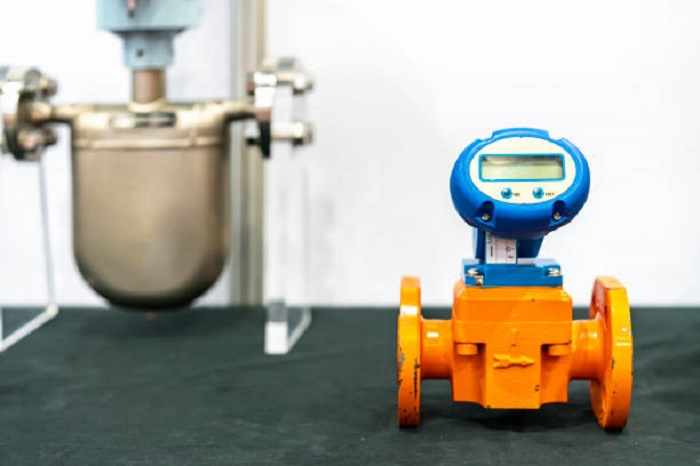
Positive Displacement Flow Meters
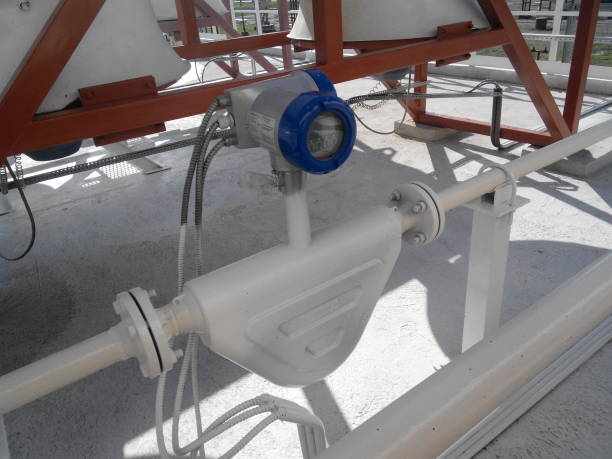
Coriolis Flow Meters
The advantage of Coriolis meters lies in their ability to detect minute mass changes, which is critical in applications such as laboratory experiments, microfluidics, and high-value chemical dosing. However, these meters can be more expensive and may require precise installation and vibration control to maintain accuracy.
Thermal Mass Flow Meters
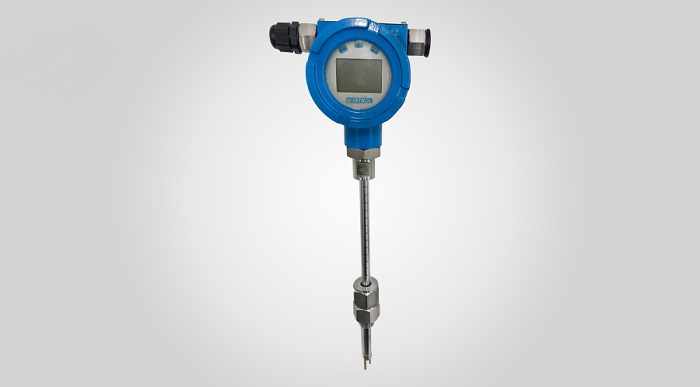
Thermal mass flow meters are effective for measuring very low flow rates of gases. They operate by detecting heat transfer from a heated sensor to the flowing gas, which correlates to mass flow. These meters are used in environmental monitoring, HVAC systems, and process control where gas flow is minimal.
Thermal mass meters provide high sensitivity and can measure flow rates that are challenging for other types of meters. Proper calibration and maintenance are critical, as sensor fouling or changes in gas composition can affect accuracy.
Ultrasonic Flow Meters
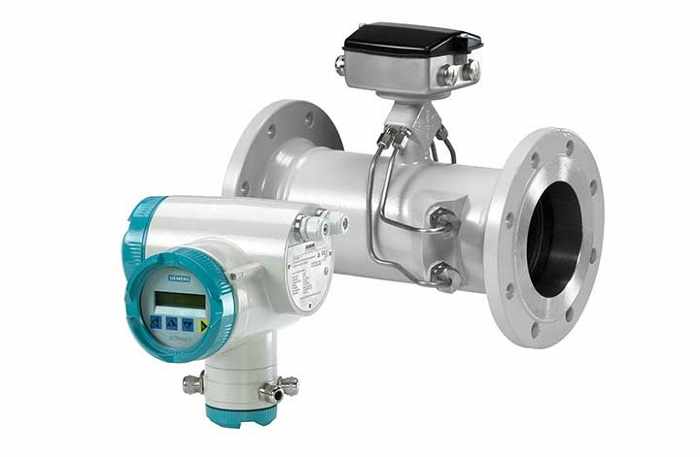
Clamp-on and in-line ultrasonic flow meters can sometimes measure low flow, depending on the design. Ultrasonic meters detect the velocity of fluid using sound waves, making them non-intrusive and suitable for sensitive systems.
At very low flow rates, signal attenuation and low turbulence may reduce measurement accuracy. Advanced models with multiple sensors or high-frequency ultrasonic technology can improve low-flow performance, but installation conditions such as pipe material and diameter must be carefully considered.
Installation Considerations for Low Flow
Proper Sizing
Selecting the correct size of flow meter is critical for low flow applications. Oversized meters may not register slow-moving fluids accurately, while undersized meters can create excessive pressure drops. Manufacturers provide specifications indicating minimum and maximum flow ranges. Ensuring that the selected flow meter matches the expected flow range is key to accuracy.
Straight Pipe Runs and Flow Conditioning
Low flow measurements are more sensitive to disturbances such as turbulence, bends, and fittings in the pipe. Installing flow meters with sufficient upstream and downstream straight pipe runs helps stabilize flow. Flow conditioners or straightening vanes can also improve measurement accuracy in systems with irregular flow patterns.
Regular Calibration and Maintenance
Flow meters operating at low flow require regular calibration to maintain precision. Mechanical meters may need lubrication or part replacement, while electronic meters may require software recalibration. Cleanliness is essential, as debris or buildup can obstruct sensors and compromise accuracy. Periodic verification against a standard ensures that the flow meter continues to provide reliable readings.
Applications of Low Flow Measurement
Pharmaceutical and Chemical Industries
Accurate low flow measurement is critical in dosing chemicals and pharmaceuticals. Precise delivery ensures safety, product quality, and regulatory compliance. Positive displacement and Coriolis meters are commonly used in these applications.
Environmental and Water Management
Monitoring groundwater, effluent, or environmental gas emissions often requires low flow measurement. Thermal and ultrasonic meters are frequently employed to track low-volume flow accurately without disrupting sensitive systems.
Microfluidics and Laboratory Research
In research settings, flow meters measure minute quantities of liquids and gases for experiments. Accuracy at low flow rates is essential to obtaining reliable results. Instruments like Coriolis and positive displacement meters provide the precision necessary for scientific work.
Conclusion
A Flow Meter can be used in very low flow conditions if the right type and installation practices are selected. Positive displacement, Coriolis, and thermal mass flow meters are among the most effective options for low flow scenarios. Proper sizing, calibration, and installation are critical to achieving accurate readings.
Low flow applications are found in pharmaceuticals, environmental monitoring, laboratory research, and gas measurement. Selecting the appropriate flow meter, maintaining it regularly, and considering installation factors such as pipe straightness and flow conditioning are essential steps. By understanding these principles, industries can achieve precise measurement even in challenging low flow environments, ensuring safety, efficiency, and reliability.

Write a comment ...