
Pressure gauges are vital instruments in modern industry. They measure the pressure of liquids and gases in a system and provide essential data for safe and efficient operation. Many industries rely on accurate readings to maintain equipment, monitor processes, and prevent accidents. Without proper pressure measurement, operations can become unsafe, inefficient, or costly. The keyword Pressure Gauges is central to understanding industrial reliability, as these devices are critical for daily monitoring and decision-making.
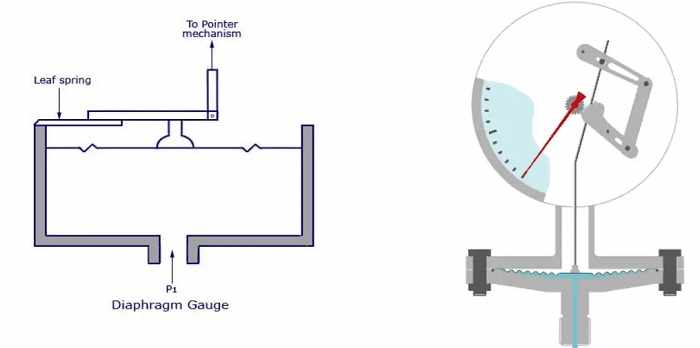
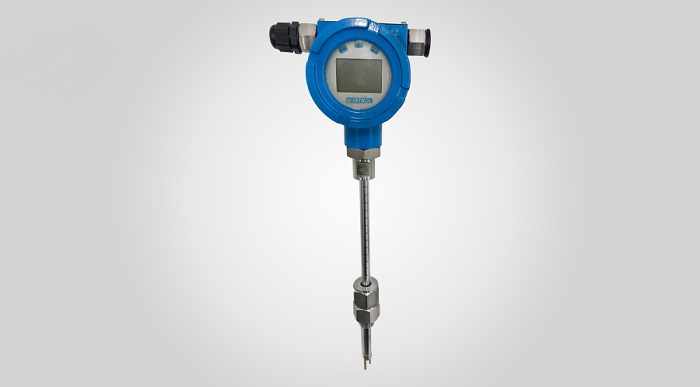
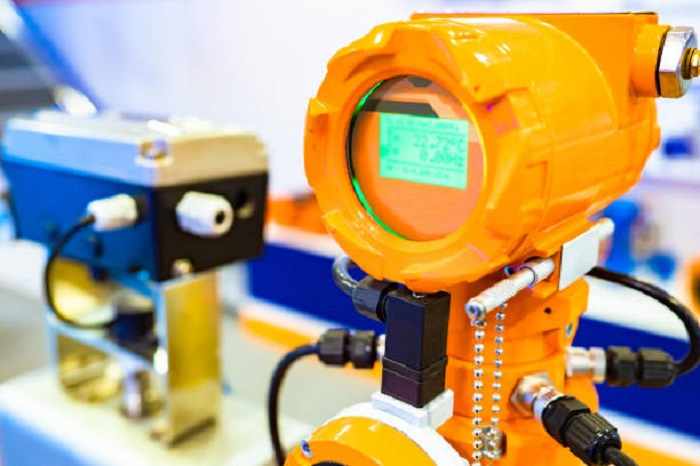
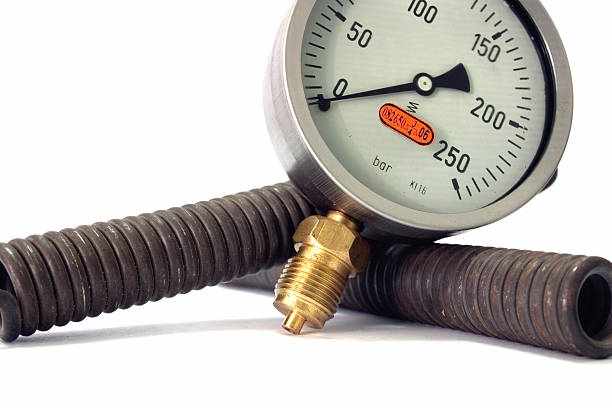
Pressure gauges function by detecting mechanical or electronic changes in a system and converting them into readable values. These devices vary in design, including mechanical gauges like Bourdon tubes, diaphragm gauges, and digital pressure sensors. Each type has applications tailored to the requirements of specific industries. Understanding which sectors depend on pressure gauges helps highlight their importance in daily industrial activity.
Manufacturing and Industrial Processing
Chemical and Petrochemical Industries
Chemical plants and petrochemical facilities rely heavily on pressure gauges. They use these instruments to monitor the pressure in reactors, pipelines, and storage tanks. Accurate pressure readings are crucial to prevent leaks, chemical reactions gone awry, or dangerous overpressurization.
In chemical processing, pressure gauges help operators maintain optimal conditions for reactions. For example, controlling the pressure in a hydrogenation reactor ensures safety and maximizes production efficiency. Petrochemical plants use pressure gauges to monitor pipelines transporting crude oil, refined products, or gases. Regular checks ensure that pressure remains within safe limits, protecting both equipment and personnel.
Food and Beverage Manufacturing
The food and beverage industry also relies on pressure gauges to maintain product quality and safety. Pressure gauges monitor processes such as pasteurization, carbonation, and sterile packaging. Accurate readings ensure that machinery operates correctly, preventing contamination and maintaining consistent product standards.
For instance, during carbonation in beverage production, pressure gauges ensure that the gas is injected at the correct pressure to achieve uniform taste and texture. Similarly, in dairy processing, pressure control in sterilization equipment is essential to maintain hygiene standards and prevent equipment damage.
Energy and Power Generation
Oil and Gas Industry
The oil and gas sector depends on pressure gauges for exploration, extraction, and transportation processes. Pressure readings in pipelines, storage tanks, and drilling equipment provide essential data for operational decisions. Monitoring pressure ensures safe transport of volatile gases and liquids, preventing leaks, explosions, or environmental hazards.
Drilling operations require precise pressure management to maintain well integrity. Gauges help monitor downhole pressure and surface equipment. Accurate readings are crucial for preventing blowouts or other catastrophic failures. In refineries, pressure gauges monitor distillation columns, pumps, and compressors, ensuring that production runs smoothly and safely.
Power Plants
Power generation facilities, including thermal, nuclear, and hydroelectric plants, rely on pressure gauges to monitor turbines, boilers, and steam systems. High-pressure steam in turbines requires careful management to prevent equipment damage or operational inefficiency. Pressure gauges provide operators with real-time data to maintain optimal conditions and avoid unsafe operating levels.
In nuclear power plants, precise monitoring of coolant pressure is critical for safety. Any deviation can indicate leaks, blockages, or malfunctioning components. Pressure gauges serve as a first line of detection, allowing timely corrective actions to prevent accidents.
Water Management and Utilities
Water Treatment Plants
Water treatment facilities use pressure gauges to monitor filtration systems, pumps, and distribution networks. Maintaining correct pressure ensures consistent water flow and proper treatment. Gauges alert operators to blockages, pump failures, or system leaks.
In filtration systems, pressure readings indicate when filters need cleaning or replacement. Monitoring pressure helps maintain water quality standards and ensures efficient operation. Utilities also rely on pressure gauges to control water supply in municipal pipelines, avoiding bursts or disruptions in service.
Wastewater and Sewage Systems
Wastewater management requires continuous monitoring of pressure in pumps and pipelines. Pressure gauges help prevent overloading or underflow conditions, which can compromise treatment efficiency. Gauges assist operators in maintaining stable system operation, protecting both equipment and the surrounding environment.
By detecting pressure deviations, maintenance teams can act quickly to prevent failures, reduce downtime, and ensure compliance with environmental regulations.
Transportation and Automotive Industries
Automotive Manufacturing
In automotive production, pressure gauges monitor hydraulic systems, fuel injection, and air conditioning systems. Accurate readings ensure proper function of machinery and vehicle components. Gauges are essential for quality control, safety testing, and assembly line efficiency.
Hydraulic presses in vehicle assembly rely on consistent pressure for precise forming of metal parts. Air pressure in braking systems or pneumatic tools also requires monitoring to maintain operational safety and accuracy.
Aviation and Aerospace
Aerospace applications demand highly precise pressure measurements. Aircraft rely on pressure gauges for fuel systems, cabin pressurization, and hydraulic systems. Any deviation can affect safety, performance, or comfort.
In spacecraft, pressure gauges monitor oxygen tanks, propulsion systems, and environmental controls. Accuracy is essential because even minor pressure changes can have serious consequences in space. Engineers depend on these gauges for design, testing, and real-time operations.
Medical and Laboratory Applications
Healthcare Equipment
Medical devices such as oxygen tanks, ventilators, and anesthesia machines require pressure monitoring. Pressure gauges ensure the correct delivery of gases to patients, preventing harm or underperformance of equipment.
Laboratory research also depends on pressure gauges to control experiments, maintain vacuum systems, and ensure safety during chemical reactions. Precision is critical to achieving reliable results and protecting researchers.
Conclusion
Pressure Gauges are integral to a wide range of industries. Manufacturing, energy, water management, transportation, and healthcare all rely on these instruments for safety, efficiency, and reliability. Regular monitoring, maintenance, and calibration of gauges ensure accurate readings and prevent equipment failure or operational hazards.
By understanding the applications and importance of pressure gauges in daily operations, industrial professionals can ensure system integrity and maximize performance. Accurate pressure measurement remains central to operational safety, productivity, and compliance across industries that depend on these essential instruments.

Write a comment ...